
Why Do Cats Drool?
Why do cats drool? While drooling is normal in some contexts, unusual or excessive drooling in cats is often a sign that something needs attention. Cats are not natural droolers the way some dog breeds are, so when you notice saliva pooling around your cat’s mouth or wet spots on their bedding, it warrants a closer look. Our team at Midtown Veterinary Practice in Huntsville, AL, is here to help you understand what’s behind cat drooling and when it’s time to come in for an exam.
Is It Normal for Cats to Drool?
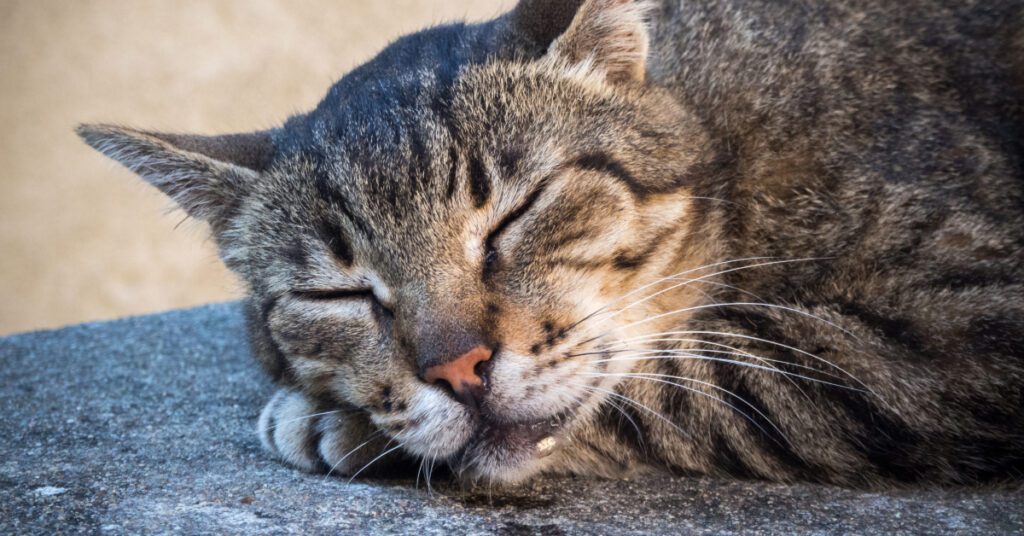
Some cats do drool occasionally in completely normal circumstances. Drooling while kneading, purring contentedly, or falling deeply asleep can be signs of relaxation and happiness. This type of cat drool is typically light, intermittent, and not accompanied by any other symptoms.
However, cats that drool excessively, suddenly, or frequently outside of those contexts may be experiencing an underlying health issue. Excessive drooling in cats is called hypersalivation or ptyalism, and it can have many causes ranging from minor to serious.
Why Do Cats Drool? Common Causes
Answering the question “Why do cats drool?” requires looking at the full picture. Here are the most common reasons cats drool, organized from the more routine to the more concerning.
Contentment and Relaxation
As mentioned, some cats drool when they are deeply relaxed or emotionally content. If your cat drools only during cuddle sessions or right before falling asleep, and they are otherwise healthy and acting normally, this is likely nothing to worry about. Some cats have simply always drooled a little when happy, and it can be a lifelong, benign habit.
Dental Disease and Oral Pain
Dental disease is one of the most common reasons cats drool excessively. Conditions like periodontal disease, tooth resorption, abscesses, and stomatitis (severe inflammation of the mouth) can cause significant oral pain that triggers drooling. Cats with dental disease may also show reluctance to eat, pawing at the mouth, bad breath, or dropping food while chewing.
The majority of cats over three years of age have some degree of dental disease, making this one of the most important things to rule out when a cat starts drooling. Regular dental checkups at Midtown Veterinary Practice can help identify and address these issues early.
Nausea
Cats drool when they feel nauseous, just as humans often salivate before vomiting. Car sickness is a frequent cause of drooling in cats. Gastrointestinal upset from dietary changes, hairballs, inflammatory bowel disease, or other systemic illness can also produce nausea-related drooling. If your cat drools during car rides or before vomiting episodes, nausea is likely the culprit.
Toxin Exposure or Ingestion
Cats that have chewed on a toxic plant, licked a household chemical, or been exposed to certain insecticides or medications may drool suddenly and profusely. Some common household and garden plants, including lilies, oleander, and sago palm, are highly toxic to cats. Drooling that starts abruptly, especially when accompanied by vomiting, tremors, or disorientation, should be treated as a potential emergency.
Foreign Body or Oral Injury
A bone fragment, piece of string, or other foreign object caught in your cat’s mouth, throat, or esophagus can trigger drooling. Oral injuries from chewing on sharp objects can also cause excessive salivation. If your cat is drooling and also pawing at their mouth, gagging, or appearing distressed, a foreign body obstruction is a possibility that needs urgent evaluation.
Upper Respiratory Infections
Cats with upper respiratory infections can develop mouth ulcers, sore throats, or nasal congestion that interferes with swallowing, leading to drooling. Feline herpesvirus and calicivirus are common culprits. A cat drooling alongside sneezing, nasal discharge, and lethargy may have a respiratory infection.
Kidney Disease or Liver Disease
Chronic kidney disease and liver disease can cause a buildup of toxins in the bloodstream that leads to nausea and mouth ulcers, both of which cause drooling in cats. Increased drooling alongside increased thirst, weight loss, and changes in litter box habits in a senior cat warrants prompt veterinary evaluation.
Neurological Issues
Seizures, head trauma, and certain neurological conditions can affect a cat’s ability to control swallowing, leading to drooling. If your cat drools in conjunction with abnormal movements, disorientation, or loss of coordination, seek veterinary care immediately.
Why Is My Cat Drooling and Lethargic?
When drooling is paired with lethargy, the combination is a stronger signal that something is wrong. A cat drooling and acting lethargic could be experiencing organ dysfunction, severe dental pain, toxin exposure, a systemic infection, or a neurological issue. This combination of symptoms should not be monitored at home for long. Contact Midtown Veterinary Practice or a veterinary emergency clinic if your cat is both drooling and unusually lethargic.
Why Is My Cat Drooling Suddenly?
Sudden onset drooling is often more concerning than gradual drooling that develops over time. Sudden cat drooling may indicate acute toxin ingestion, a foreign body in the mouth or throat, an allergic reaction, sudden oral injury, or the onset of a seizure. If your cat starts drooling out of nowhere, especially if they seem distressed, seek veterinary attention promptly rather than waiting to see if it improves on its own.
When Should I Take My Cat to the Vet for Drooling?
Not every instance of cat drooling requires an emergency visit, but knowing when to act quickly can make a real difference. Here are the signs that mean you should call or come in without delay:
- Drooling that started suddenly, especially without an obvious cause
- Drooling combined with vomiting, lethargy, or loss of appetite
- Pawing at the mouth, difficulty swallowing, or gagging
- Suspected exposure to a toxic plant, chemical, or medication
- Drooling paired with abnormal behavior, disorientation, or tremors
- Persistent drooling that doesn’t resolve within a day or two
How Is Excessive Drooling in Cats Diagnosed?
When you bring a drooling cat to Midtown Veterinary Practice in Huntsville, our team will begin with a thorough physical exam, including a careful evaluation of the mouth and throat. Depending on what we find, we may recommend blood work, urinalysis, dental X-rays, or imaging to identify the underlying cause.
The goal is always to find the root cause of the drooling so we can address it effectively. Many causes of excessive cat drooling, including dental disease and kidney disease, are very manageable when caught early.
What Your Cat’s Drooling Is Telling You
So, why do cats drool? Sometimes it’s happiness. Sometimes it’s nausea, oral pain, toxin exposure, or an underlying illness. The context and accompanying symptoms are what help distinguish normal from concerning. Paying attention to when your cat drools, how much, and how they’re acting overall puts you in the best position to respond appropriately.
Routine wellness visits at Midtown Veterinary Practice are one of the best ways to stay ahead of conditions that cause drooling, especially dental disease and organ dysfunction. If you have questions about your cat’s drooling or want to schedule an exam, call us at (256) 883-4148 or request an appointment online. We’re here to support both of you.