
Senior Dog Care in Huntsville, AL
Caring for a senior dog involves attentive veterinary support, thoughtful monitoring at home, and regular checkups tailored to their changing needs. Midtown Veterinary Practice provides senior dog care designed to help your dog stay comfortable and supported as they age.
To book your dog’s next senior exam, call us at (256) 883-4148 or request a senior pet appointment online.
Why Senior Pet Care Matters
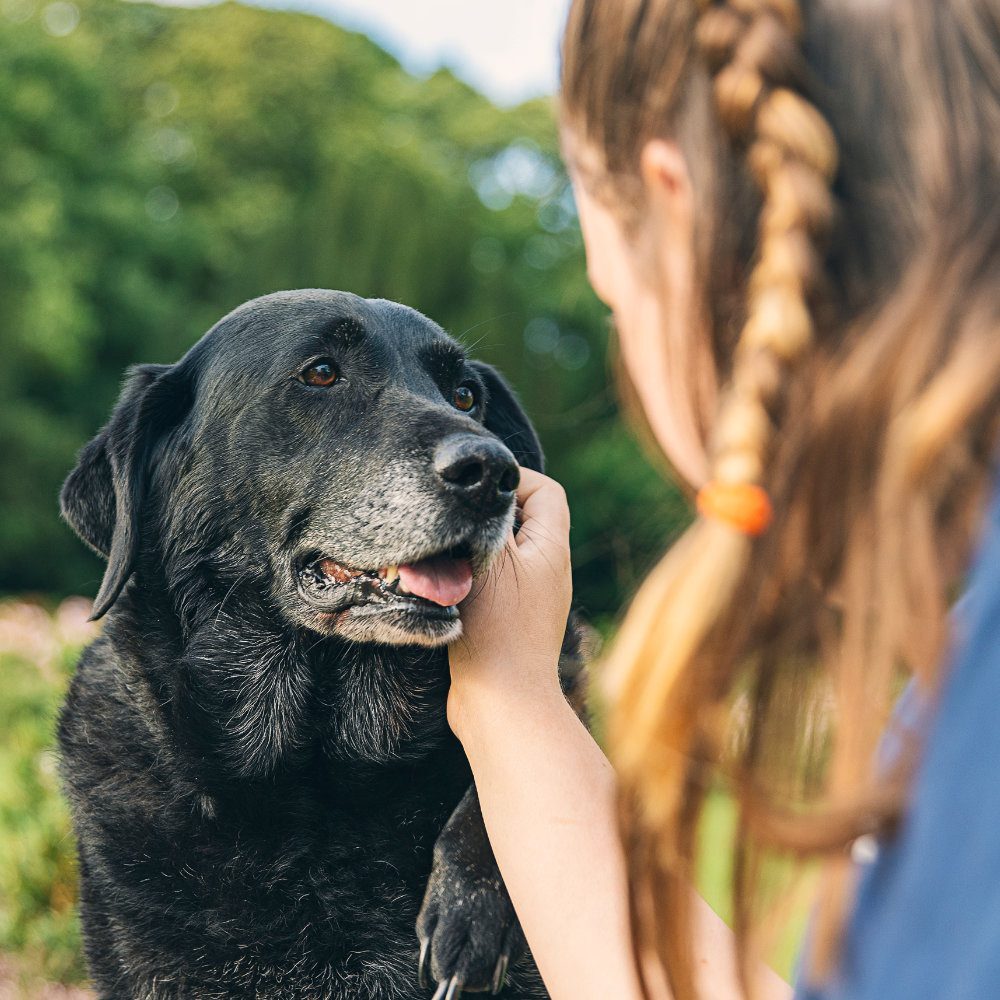
Senior dogs experience physical and cognitive changes that can progress quickly without routine monitoring. Regular senior pet care helps your veterinarian track shifts in mobility, appetite, behavior, and comfort so any emerging issues can be addressed early. These visits also support long-term wellness strategies such as diet adjustments, pain management plans, and lifestyle modifications that keep aging pets steady on their paws.
Midtown Veterinary Practice takes a personalized approach to senior dog care, focusing on your dog’s unique health history, mobility level, and daily challenges. Your veterinarian works with you to build a plan that supports comfort and quality of life at every stage.
What to Expect During a Senior Pet Exam
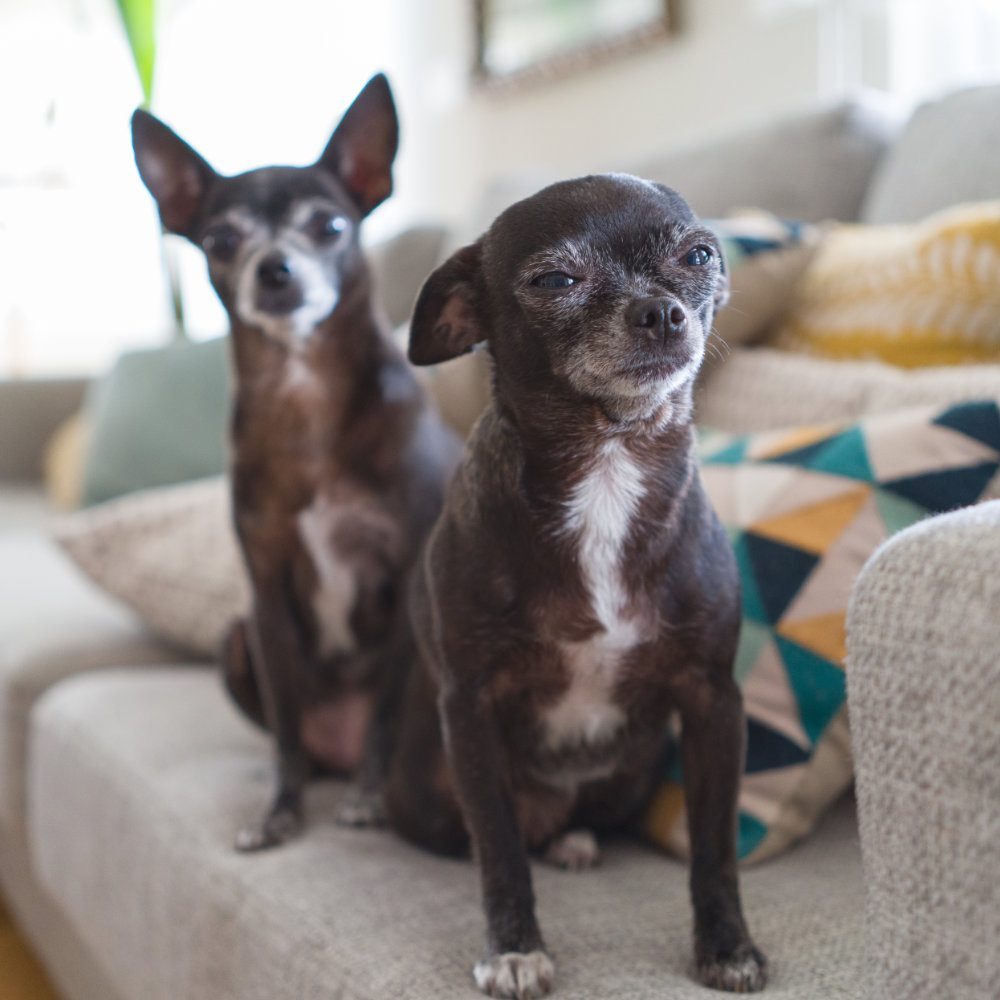
Senior exams offer a deeper look at your dog’s health and may include the following evaluations:
Your veterinarian assesses weight, fat coverage, and muscle tone to identify muscle loss, weight gain, or weight loss that could point to underlying changes.
Dental disease becomes more common as pets age. Your veterinarian checks for tartar buildup, loose teeth, gum inflammation, or discomfort while chewing.
This helps detect heart murmurs, arrhythmias, and respiratory changes that may appear more often in senior pets.
Your veterinarian looks for age-related changes such as lumps, thinning fur, chronic ear debris, or cloudiness in the eyes.
Diet needs shift as senior dogs experience changes in metabolism and activity. Your veterinarian may recommend modifications to maintain a healthy body condition.
How to Prepare for Your Senior Dog’s Visit
A smooth visit begins with a little preparation at home. Our Senior Dog Vet Visit Checklist outlines several helpful steps:
Write down questions or concerns you want to discuss.
Take short video clips of any behaviors you want your veterinarian to evaluate.
Bring pre-approved treats if your dog has dietary restrictions.
Ask whether your dog should arrive fasted for bloodwork.
Bring a first-morning urine sample and a fresh stool sample when possible.
Consider pre-visit calming medication if recommended by your veterinarian.
You’ll also find additional resources below, which will help you get the most out of your dog’s appointment at our animal hospital.
Download Your Senior Dog Care Forms
Check out our helpful forms and checklists below to help prepare you and your pet before your appointment:
Keeping Your Senior Dog Comfortable at Home
Helping your senior dog stay comfortable between veterinary visits makes a meaningful difference in their daily routine. A few helpful strategies include:
Orthopedic beds with proper cushioning help reduce pressure on aging joints. Layer additional blankets or comforters for extra softness.
Hardwood floors can be slippery for senior dogs. Adding nonslip rugs or runners gives your dog better footing. Toe grips or traction pads may also help dogs who struggle with stability.
Ramps or steps make it easier for pets to reach elevated areas like couches or beds. Choose options with a gentle incline and nonslip surface to encourage confident use.
Designate a quiet resting area away from high activity, children, or other pets so your senior dog can easily relax without interruption.
Small environmental changes such as rearranging furniture to create clear pathways, elevating food and water bowls when appropriate, or using harnesses for extra support can help your dog move more comfortably.
Your aging pet still enjoys spending time with you. Short outings or walks, gentle interactions, and predictable routines help them feel secure and connected.
You’ll also find additional resources below, which will help you get the most out of your dog’s appointment at our animal hospital.
Our Senior Dog Questionnaire
Please complete the form below prior to your dog’s senior care appointment with our team.