
Can Dogs Eat Peanuts?
As you enjoy a quick snack, you might wonder, “Can dogs eat peanuts?” Yes, dogs can eat peanuts in limited quantities, but there are important caveats every dog owner should know before sharing this popular snack. While plain, unsalted peanuts are generally considered non-toxic to dogs, not all peanuts and peanut products are safe, and some dogs should avoid them altogether. At Midtown Veterinary Practice in Huntsville, AL, we get this question from pet owners, so let’s break it down clearly.
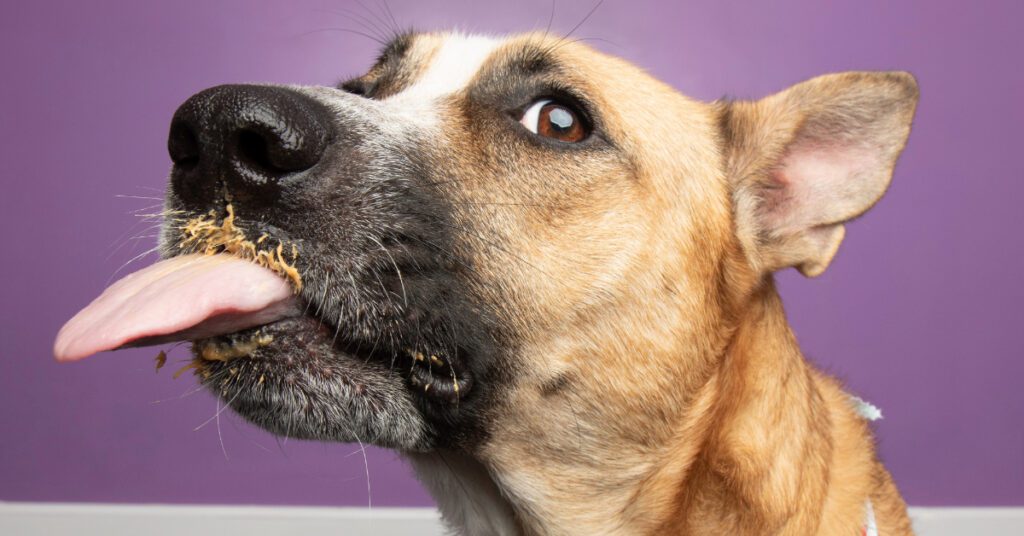
Are Peanuts Safe for Dogs?
Plain, dry-roasted, or raw peanuts without added salt or seasoning are generally safe for most dogs in small amounts. Peanuts are a source of protein, healthy fats, and vitamins like B6 and E. However, peanuts are also high in fat and calories, which means they should only be an occasional treat, not a regular part of your dog’s diet.
So while dogs can eat peanuts, moderation is essential. Overfeeding peanuts can lead to digestive upset and, over time, contribute to obesity and pancreatitis, especially in dogs with sensitive stomachs or existing health conditions.
What Types of Peanuts Are Safe for Dogs?
Not all peanuts are created equal when it comes to canine safety. The preparation and additives matter significantly.
Peanuts Dogs Can Eat
- Dry-roasted peanuts (unsalted): A reasonably safe option in small amounts, provided they are plain and not flavored
- Raw peanuts (unsalted): Also acceptable in moderation; like dry-roasted, they should be given without shells
- Plain peanut butter: A very popular treat for dogs when made without xylitol or added sugars; always read labels carefully
Peanuts and Peanut Products Dogs Should Avoid
- Salted peanuts: Excessive sodium can be harmful to dogs, causing increased thirst, urination, and in large amounts, sodium ion poisoning
- Flavored or seasoned peanuts: Spices, garlic powder, onion powder, and other seasonings can be toxic to dogs
- Honey-roasted peanuts: High in sugar, which contributes to weight gain and dental problems
- Peanut shells: Difficult to digest and can present a choking hazard or cause intestinal obstruction
- Peanut butter with xylitol: This is the most critical danger; xylitol is a sweetener that is highly toxic to dogs even in small quantities
Can Dogs Eat Peanut Butter?
Peanut butter is one of the most widely used dog treats, and for good reason: most dogs love it. Dogs can eat peanut butter as long as it does not contain xylitol, a sugar alcohol used as a sweetener in many low-sugar or “natural” peanut butter brands. Xylitol causes a rapid release of insulin in dogs that can lead to severe hypoglycemia, and in some cases, liver failure.
Before giving your dog peanut butter, always check the ingredient label. Look for products with minimal ingredients: ideally just peanuts, with no added sugar, no palm oil, and absolutely no xylitol. If you’re unsure whether a product is safe, your veterinarian can help you evaluate it.
How Many Peanuts Can a Dog Eat?
Portion size matters when dogs eat peanuts. Because peanuts are calorie-dense and high in fat, they should be treated as an occasional snack rather than a daily food. A general guideline is that treats should make up no more than 10% of a dog’s daily caloric intake.
For a small dog, a few peanuts is plenty. For a medium to large dog, a small handful may be acceptable on occasion. Dogs that are overweight, have a history of pancreatitis, or have food allergies should avoid peanuts entirely, or only consume them with guidance from their veterinarian.
Can Dogs Be Allergic to Peanuts?
Yes, dogs can be allergic to peanuts, though peanut allergies in dogs are less common than in humans. Signs of a peanut allergy in dogs may include itching, skin redness or rashes, gastrointestinal upset such as vomiting or diarrhea, and in severe cases, facial swelling or difficulty breathing. A severe allergic reaction is called anaphylaxis and requires emergency veterinary care.
If your dog has never had peanuts before, introduce them in a very small amount and monitor closely for any signs of a reaction over the next 24 to 48 hours. If anything seems off, contact Midtown Veterinary Practice in Huntsville right away.
Are Peanuts Good for Dogs? Nutritional Considerations
While dogs can eat peanuts safely in moderation, they are not a necessary part of a balanced canine diet. Dogs get the nutrients they need from high-quality commercial dog food, and peanuts should be viewed as a treat rather than a nutritional supplement.
That said, plain peanuts do offer some nutritional benefits. They contain protein that supports muscle maintenance, niacin for energy metabolism, and vitamin E, which acts as an antioxidant. However, these benefits can be obtained through your dog’s regular diet without introducing the risks that come with high-fat snacks.
Signs Your Dog Had Too Many Peanuts
Even safe foods can cause problems when given in excess. If your dog consumed a large quantity of peanuts, watch for these signs:
- Vomiting or diarrhea, which may indicate digestive upset from the high fat content
- Lethargy or loss of appetite, which can be signs of pancreatitis
- Abdominal pain or a hunched posture
- Increased thirst or urination, particularly after salted peanuts
- Itching, hives, or facial swelling if an allergic reaction develops
Pancreatitis is a serious concern when dogs consume large amounts of fatty foods. If you notice signs of abdominal pain, repeated vomiting, or unusual lethargy after your dog ate peanuts, reach out to Midtown Veterinary Practice or an emergency veterinary clinic.
What to Do If Your Dog Ate Peanuts with Xylitol
If you suspect your dog consumed peanut butter or another peanut product containing xylitol, treat it as an emergency. Xylitol can cause life-threatening hypoglycemia within 15 to 30 minutes of ingestion and can progress to liver failure in some cases. Do not wait for symptoms to appear. Contact Midtown Veterinary Practice, your nearest emergency veterinary hospital, or the ASPCA Animal Poison Control Center immediately.
Smart Snacking: The Role of Treats in Your Dog’s Diet
Dogs can eat peanuts, but whether they should is a question worth asking on a case-by-case basis. For healthy dogs with no weight concerns, no history of pancreatitis, and no known food allergies, the occasional plain, unsalted peanut or a lick of xylitol-free peanut butter is generally fine. For dogs with any of those conditions, it’s better to choose a safer low-calorie treat.
If you’re ever unsure about what your dog can or can’t eat, the team at Midtown Veterinary Practice in Huntsville is happy to help. Call us at (256) 883-4148 or request an appointment online. Nutrition questions are a normal part of preventive care, and we’re here to give you clear, practical guidance for keeping your dog healthy and happy every day.