
Mosquito Bites on Dogs: How to Treat and Protect Your Pet
Mosquito bites on dogs are more common than many pet owners realize, especially during the warm, humid months that Huntsville, AL, is known for. While a single mosquito bite may cause only minor irritation, repeated bites can lead to more significant skin reactions, and mosquitoes pose a serious health risk to dogs beyond just the itch. At Midtown Veterinary Practice, we’re here to help Huntsville pet owners to know how to recognize mosquito bites on their dogs, understand the risks they carry, and take steps to protect their pets.
Can Mosquitoes Bite Dogs?
Yes, mosquitoes absolutely bite dogs. While a dog’s fur provides some protection on heavily coated areas of the body, mosquitoes readily target exposed skin, particularly around the nose, ears, belly, and groin. Short-haired breeds and dogs that spend a lot of time outdoors are especially susceptible to mosquito bites.
In Huntsville and throughout the South, mosquito season tends to be prolonged due to warm temperatures and humidity. That makes ongoing protection for dogs an important part of year-round pet care.
What Do Mosquito Bites Look Like on Dogs?
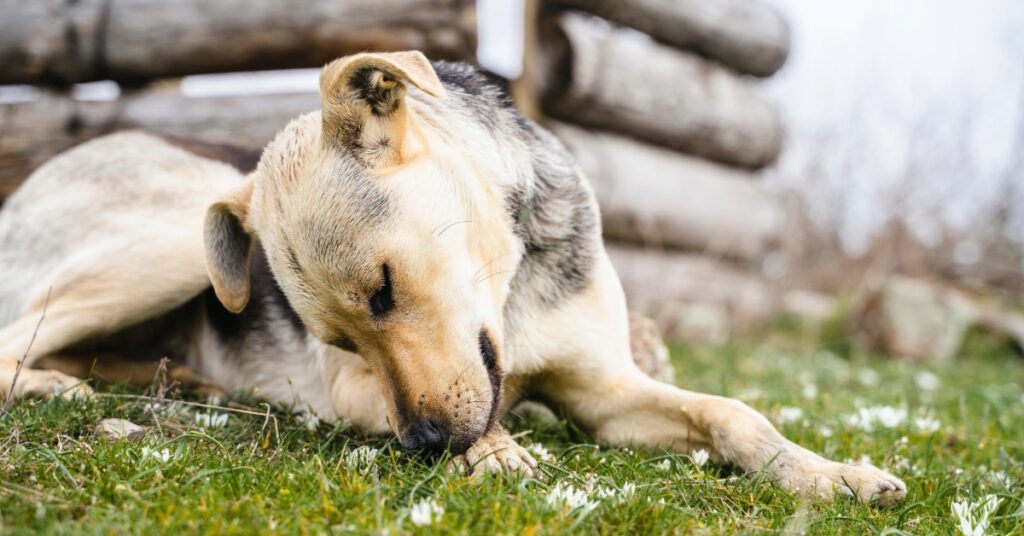
Identifying mosquito bites on dogs can be tricky, especially since the bites are often hidden beneath fur. When you can see them, mosquito bites on dogs typically appear as small, raised, red bumps, similar to what you’d see on human skin. The affected area may be slightly swollen or warm to the touch. Your dog may scratch, lick, or rub the area frequently, which can be one of the first clues that something is bothering them. On areas with little to no fur, such as the nose or the tips of the ears, bites may be more visible. Dogs with allergic sensitivities may develop larger, more inflamed welts in response to mosquito bites.
Symptoms of Mosquito Bites on Dogs
Beyond visible skin changes, your dog may show several behavioral signs that suggest they’ve been bitten by mosquitoes. Knowing what to look for helps you intervene sooner.
- Scratching or pawing at specific areas, particularly the face, ears, or belly
- Rubbing the face or head along furniture, carpet, or the ground
- Licking or chewing at the skin
- Red, swollen, or inflamed skin at the bite site
- Small raised bumps or hives
- Restlessness or apparent discomfort
In dogs with allergies or heightened sensitivity, mosquito bites can produce a more pronounced reaction, including widespread hives, facial swelling, or intense itching. If this occurs, contact Midtown Veterinary Practice promptly.
The Bigger Concern: Heartworm Disease
The most serious risk posed by mosquito bites on dogs is not the bite itself but what the mosquito can transmit: heartworm disease. Heartworm is caused by a parasitic worm called Dirofilaria immitis that is spread exclusively through the bite of an infected mosquito. Once larvae enter a dog’s bloodstream, they mature into worms that can grow up to a foot in length and take up residence in the heart, lungs, and associated blood vessels.
Heartworm disease is serious, progressive, and potentially fatal if left untreated. Huntsville and the broader Alabama region are considered high-risk areas for heartworm transmission due to the warm climate and prevalence of mosquitoes. The American Heartworm Society recommends year-round heartworm prevention for all dogs, regardless of whether they spend time indoors or outdoors.
Signs of Heartworm Disease in Dogs
Heartworm disease often shows no symptoms in its early stages, which is one reason annual testing at Midtown Veterinary Practice is so important. As the disease progresses, affected dogs may show:
- A mild, persistent cough that worsens over time
- Fatigue or reduced tolerance for exercise
- Decreased appetite and weight loss
- A swollen or distended belly due to fluid accumulation
- Labored breathing in advanced cases
If your dog has not been on year-round heartworm prevention, or if their prevention has lapsed, talk to our team about testing and getting them started on a preventive protocol.
Other Diseases Mosquitoes Can Transmit to Dogs
While heartworm is the primary disease concern with mosquito bites on dogs, mosquitoes can also transmit other pathogens, though these are less commonly diagnosed in dogs in the United States. West Nile Virus has been detected in dogs, though most infected dogs show mild or no symptoms. Eastern Equine Encephalitis is a rare but severe concern in some regions. In tropical and subtropical areas, mosquito-borne diseases such as leishmaniasis pose additional risks.
How to Protect Your Dog from Mosquito Bites
Protecting your dog from mosquito bites involves a combination of strategies. No single approach eliminates all risk, but layering protective measures makes a meaningful difference.
Heartworm Prevention
The single most important step you can take is ensuring your dog is on a veterinarian-recommended heartworm preventive year-round. Monthly chewables, topical treatments, and injectable options are all available. Ask our team at Midtown Veterinary Practice which product is the best fit for your dog’s lifestyle and health status.
Limit Outdoor Exposure at Peak Times
Mosquitoes are most active at dawn and dusk. Reducing your dog’s time outdoors during these hours, particularly near standing water or heavily vegetated areas, can decrease the frequency of mosquito bites on dogs during high-activity periods.
Reduce Standing Water
Mosquitoes breed in standing water. Emptying bird baths, pet water bowls, flower pots, and other containers around your yard regularly can reduce the local mosquito population and lower your dog’s exposure risk.
Veterinarian-Approved Repellents
Some veterinarian-approved insect repellent products are available for dogs. Never use human DEET-based repellents on dogs, as DEET is toxic to them. Ask our team at Midtown Veterinary Practice for guidance on safe, effective repellent options specifically formulated for dogs.
When to See Your Vet About Mosquito Bites on Your Dog
Most mosquito bites on dogs cause only minor, temporary irritation and resolve on their own. However, veterinary attention is warranted if your dog is showing signs of an allergic reaction, including significant facial swelling, widespread hives, or difficulty breathing. You should also call if your dog is scratching so intensely that they’ve broken the skin, which can lead to secondary infection.
Most importantly, if your dog is not currently on heartworm prevention, schedule an appointment at Midtown Veterinary Practice in Huntsville as soon as possible. A simple annual blood test can check for heartworm infection, and our team will help you choose the right preventive product to keep your dog protected all year long.
Year-Round Vigilance Keeps Your Dog Safer in Huntsville
Mosquito bites on dogs are a year-round reality in Huntsville, and the risks they carry, particularly heartworm disease, are entirely preventable with the right care. Midtown Veterinary Practice is here to make that prevention straightforward, effective, and tailored to your dog’s individual needs.
Whether you need to start your dog on heartworm prevention, update their testing, or have concerns about a skin reaction from mosquito bites, our Huntsville team is ready to help. Call us at (256) 883-4148 or request an appointment online today to schedule an appointment or ask a question. Your dog deserves protection that works as hard as you do to care for them.