
Why Dog Parasite Screening is Important
Parasite screening helps identify hidden threats early, which is why dog parasite screening is important for every pet’s long-term health and comfort. These screenings detect parasites that often go unnoticed until they begin affecting a dog’s wellbeing. Midtown Veterinary Practice in Huntsville, AL offers routine screening to support informed care decisions and help you act before issues progress. If you have questions or want to schedule your dog’s next checkup, call (256) 883-4148 or request an appointment online.
Pet owners often hear about parasites, but many do not realize how frequently dogs encounter them in everyday environments. Routine parasite screening gives your veterinarian insight into what may be affecting your dog internally or externally. This blog explains why dog parasite screening is important, how screenings work, what they detect, and the role they play in protecting your dog’s comfort and wellbeing throughout the year.
What Parasite Screening Does for Your Dog’s Health
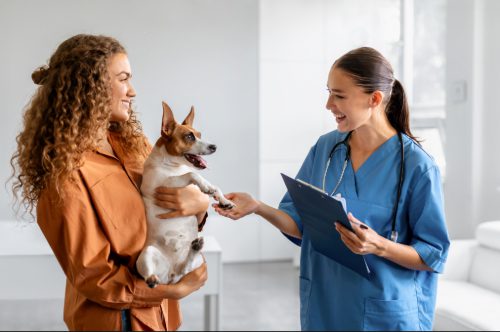
Routine parasite screening identifies internal and external threats that may not show obvious signs at first. Even healthy dogs benefit from routine tests because parasites can develop without early symptoms. Understanding why dog parasite screening is important starts with knowing how these tests support your pet’s day-to-day health. Parasites affect dogs of all ages, sizes, and activity levels, so consistent monitoring gives your veterinarian the information they need to recommend appropriate preventive care.
How Screening Helps Catch Problems Early
Early detection is one of the clearest reasons why dog parasite screening is important. Parasites can cause irritation, digestive issues, anemia, weight loss, or changes in behavior long before anyone realizes something is wrong. Screening provides a snapshot of your dog’s internal health and helps your veterinarian identify concerns before they progress. Early findings may also limit exposure risks to other household pets or environments your dog visits.
Why Even Indoor Dogs Need Screening
Some pet owners assume indoor dogs face fewer risks, but parasites spread in more ways than people expect. Fleas, ticks, and intestinal parasites can enter the home on shoes, clothing, or other pets. Understanding why dog parasite screening is important involves recognizing that every dog can encounter parasites regardless of lifestyle. Indoor pets benefit from the same level of monitoring as outdoor dogs because early detection supports proactive care decisions.
Common Parasites Found Through Routine Screening
A major part of understanding why dog parasite screening is important involves learning what types of parasites these tests help detect. Dogs can pick up parasites in parks, backyards, kennels, or on simple walks around the neighborhood. Huntsville’s moderate climate also allows many parasites to remain active throughout the year. Routine screening helps identify these threats so your veterinarian can guide you on next steps.
Intestinal Parasites Frequently Seen in Dogs
Intestinal parasites live in the digestive tract and may cause a range of symptoms depending on severity. These parasites include roundworms, hookworms, whipworms, and tapeworms. Part of why dog parasite screening is important is that these parasites often go unnoticed until they cause weight changes, digestive upset, or poor coat condition. Screenings help detect them early, even when outward symptoms are mild or absent.
External Parasites Monitored During Exams
Fleas and ticks remain common concerns for dogs in Huntsville. These parasites feed on blood and may carry diseases that affect your pet’s overall comfort. Parasite screenings and physical exams help identify early signs of flea or tick exposure. When you understand why dog parasite screening is important, it becomes easier to see how consistent monitoring protects your dog from issues related to bites, irritation, or infection.
How Parasite Screening Works at Midtown Veterinary Practice
Knowing what happens during a parasite screening visit can help pet owners feel confident and prepared. The process varies depending on the type of parasite being checked for, but each step provides valuable information about your dog’s health. Midtown Veterinary Practice uses modern diagnostic tools to provide thorough and accurate results. These tests are a key part of understanding why dog parasite screening is important and how they support your dog’s long-term wellness.
Fecal Testing for Intestinal Parasites
Fecal exams detect intestinal parasite eggs or larvae using advanced laboratory techniques. Even if your dog appears healthy, these tests reveal what might be happening inside the digestive tract. The results help your veterinarian determine what type of parasite may be present and discuss appropriate next steps with you. This diagnostic step is central to why dog parasite screening is important, as it often uncovers issues long before clinical signs develop.
Heartworm Testing and the Risks Heartworms Present
Heartworm testing identifies mosquito-transmitted parasites that can severely affect a dog’s wellbeing if left undetected. Heartworms develop internally and may not show early symptoms, which is a key reason why dog parasite screening is important. Routine testing helps identify infection in its early stages and supports veterinary decision-making in a controlled clinical setting. Prevention and routine screening go hand in hand when protecting dogs from heartworm disease.
How Parasite Screening Protects Your Home and Community
Parasites affect more than the pet they infect. They may spread to other pets, contaminate shared environments, or introduce conditions that require professional intervention. When pet owners understand why dog parasite screening is important, they see how it supports the health of their household and their local community. Midtown Veterinary Practice encourages regular communication between pet owners and their veterinary team to stay ahead of potential risks.
Reducing Transmission Risks Between Pets
Dogs with undetected parasites can accidentally expose other animals in the household. Parasite screening helps reduce transmission risks and alerts pet owners to issues that require attention. This is another reason why dog parasite screening is important in multi-pet homes. Early detection limits spread and helps keep the entire household more comfortable.
Parasite Control in Shared Environments
Many parasites thrive in parks, boarding facilities, grooming salons, or yards. When dogs visit these areas without regular screening, parasites may spread more easily. Understanding why dog parasite screening is important encourages responsible pet care that benefits the wider Huntsville community. Regular testing supports safer interactions and helps reduce environmental contamination.
FAQs About Dog Parasite Screenings
How often should my dog receive parasite screening?
Testing frequency varies depending on lifestyle and exposure risks. Your veterinarian may discuss personalized recommendations during your dog’s visit.
Does parasite screening hurt my dog?
Screenings are generally simple and noninvasive. Most involve a stool sample or a small blood sample collected during a standard appointment.
Can parasite screening detect every type of parasite?
Different types of screenings detect different parasites. Your veterinarian may suggest multiple tests to gain a full picture of your dog’s health.
Is parasite screening still necessary if my dog takes prevention medication?
Preventive products help reduce risk, but screening remains important because no product eliminates exposure entirely.
What signs might indicate my dog has a parasite?
Digestive changes, skin irritation, weight fluctuations, or behavioral changes may appear in some dogs. Routine screening helps detect issues even when signs are subtle.
Why Regular Appointments Make Parasite Screening More Effective
Consistent veterinary visits strengthen your dog’s long-term wellbeing by creating a clear picture of their health over time. When you understand why dog parasite screening is important, it becomes easier to see how regular checkups and ongoing communication with your veterinary team support proactive care decisions. Midtown Veterinary Practice offers screenings tailored to your dog’s needs and lifestyle so you can feel confident you’re staying ahead of potential concerns. If you’d like to schedule a parasite screening for your dog, call (256) 883-4148 or request an appointment online.