
What It Means When Cats Lick Their Lips
Cats lick their lips for several reasons, and the meaning depends on the context and frequency. In many cases, this behavior relates to normal grooming or anticipation of food, but cats lick their lips more often when something feels uncomfortable, stressful, or unfamiliar. Understanding why cats lick their lips helps you know when the behavior is normal and when it may be worth discussing with the Midtown Veterinary Practice team in Huntsville, AL. If you ever have questions about your cat’s health or behavior, call (256) 883-4148 or request an appointment online.
Cats communicate through countless subtle cues, and lip-licking is one of the easiest to miss. Some cats lick their lips to reset after a strong smell, while others show the behavior during moments of anxiety or uncertainty. When pet owners begin watching for the timing, frequency, and triggers surrounding lip-licking, they gain helpful insight into how their cat feels. This blog breaks down what it means when cats lick their lips, the most common causes, and what signs deserve closer attention.
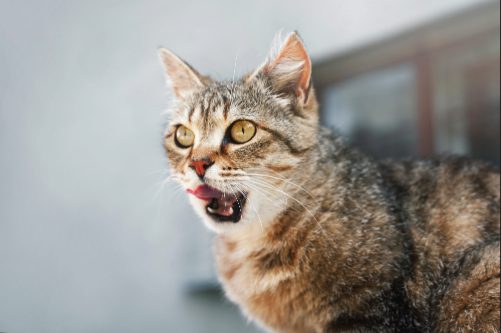
Normal Reasons Cats Lick Their Lips
Cats lick their lips during many everyday situations. These moments rarely indicate a problem but help establish a baseline so you can spot changes later. When a cat finishes eating, they often lick their lips to clean away crumbs or moisture. This is similar to how grooming behaviors help them maintain a clean coat. Cats also lick their lips when they anticipate food, especially if they hear the sound of a bag opening or smell something tasty. Anticipation activates a natural swallow reflex, which leads to lip-licking. Some cats even lick their lips when they smell something strong or unfamiliar because the scent activates their vomeronasal organ, prompting them to clear their mouth.
Grooming and Self-Maintenance
Grooming is one of the most common explanations for why cats lick their lips. Cats use their tongue to clean their face and mouth, and lip-licking often appears between grooming strokes. This behavior helps them maintain their natural scent, remove particles from their whiskers, and prepare their coat for additional grooming. Because grooming plays such a key role in how cats relax and stay organized, lip-licking in this context is completely expected.
Food-Related Behaviors
Food anticipation, mealtime cleanup, and taste investigation can all trigger this behavior. When your cat smells something appealing, their mouth produces more saliva. Lip-licking helps manage that change and prepares them to eat. After eating, cats lick their lips to remove any remaining food, which also helps them avoid lingering scents that may attract other animals.
When Cats Lick Their Lips Due to Stress or Anxiety
Cats respond to stress in subtle ways, and lip-licking often appears during moments of uncertainty. This behavior helps them self-soothe when they feel overwhelmed. Because stress can influence a cat’s digestion, posture, and attention, recognizing lip-licking as a stress cue allows you to provide comfort and reduce triggers. Cats may lick their lips during car rides, veterinary visits, introductions to new pets, or loud household changes. Even a visiting houseguest or unusual smell can prompt lip-licking. Understanding these emotional triggers helps pet owners support their cat through transitions.
Behavioral Signals to Watch
Cats often display stress through several behaviors at once. If cats lick their lips while avoiding eye contact, lowering their head, or shrinking their posture, the behavior likely relates to anxiety. You may notice slowed movements, hesitant steps, or a quick grooming session that stops abruptly. These signs often mean the cat is trying to regain control of their environment.
How Stress Builds and Why Lip-Licking Appears
Stress activates a physical response in cats, including changes in breathing, salivation, and swallowing. Lip-licking helps them manage these sensations. If your cat licks their lips during thunderstorms, fireworks, or loud noises, the gesture may be part of how they regulate themselves during the event. Observing these patterns helps you identify what environments feel overwhelming for your cat.
What It Means When Cats Lick Their Lips Repeatedly
Occasional lip-licking is normal, but increased frequency deserves attention. When cats lick their lips more often than usual, the behavior may signal that something feels uncomfortable in their mouth or digestive tract. While only your veterinarian can diagnose the cause, watching for patterns helps you describe the behavior during your visit. Cats may lick their lips repeatedly when they feel queasy, when a smell triggers nausea, or when something irritates their mouth. Repetitive swallowing paired with lip-licking often indicates discomfort. Because cats hide vulnerabilities, small changes in routine behaviors can be meaningful.
Watching for Additional Clues
Along with frequent lip-licking, pet owners may notice:
- Dropping food while eating
- Pawing at the face
- Making chewing motions when not eating
- Avoiding certain food textures
- Acting hesitant around the food bowl
These clues help your veterinarian understand the full picture. If your cat eats normally but still licks their lips repeatedly, the behavior could relate to something they smell or feel in their environment.
Environmental Triggers That Make Cats Lick Their Lips
Changes in your cat’s surroundings can influence how often cats lick their lips. This includes temperature shifts, seasonal allergens, new cleaning products, unfamiliar scents, and sudden household changes. Because cats rely so heavily on scent, even small changes can prompt them to lick their lips as they process new smells.
Cats also experience lip-licking when they investigate items such as new furniture, plants, or household chemicals. Their vomeronasal organ helps them “taste” scents, which may cause lip-licking after sniffing something unfamiliar. These responses help them gather information about changes in their environment.
Scent-Related Reactions
Strong or unusual scents often stimulate involuntary lip movements. Cats may lick their lips after smelling perfumes, detergents, candles, cooking odors, or anything new brought into the home. These reactions usually fade once the scent becomes familiar, but tracking which smells cause lip-licking offers insight into your cat’s preferences.
Seasonal and Temperature Shifts
Humidity, cold air, or dry indoor heat can also influence how cats lick their lips. Dry air may cause them to lick more often because their mouth feels different. Seasonal changes that affect the air quality or scent landscape inside your home can also increase this behavior.
Common Questions About Why Cats Lick Their Lips
Why do cats lick their lips so much?
Cats lick their lips for grooming, anticipation of food, stress responses, environmental triggers, or sensations that feel unfamiliar. The meaning depends on the situation and how often the behavior appears.
Is lip-licking always a sign of stress?
No. Cats lick their lips for many normal reasons. Stress is one possibility, but only context can clarify the reason.
Why does my cat lick their lips while being petted?
Some cats lick their lips during petting when they feel overstimulated or unsure. Others do it because they enjoy grooming after interaction.
Should I be concerned if my cat licks their lips after eating?
Post-meal lip-licking is common. If the behavior increases or appears with other changes, schedule a visit.
What should I watch for if lip-licking becomes frequent?
Behavioral changes, avoidance of food textures, or face pawing may indicate discomfort. Contact Midtown Veterinary Practice if you notice repeated or sudden changes.
When to Call Midtown Veterinary Practice for Support
If cats lick their lips occasionally and show no other changes, the behavior usually fits within normal patterns. However, when lip-licking appears alongside changes in appetite, increased hiding, vomiting, or unusual behavior, it’s time to check in with a veterinary professional. Midtown Veterinary Practice in Huntsville, AL can help you understand whether your cat’s behavior reflects stress, sensitivity, or something that needs attention during an exam. Call (256) 883-4148 or request an appointment online if you notice new or persistent patterns.