
Why Is My Dog’s Ear Swollen?
When you notice your dog’s ear swollen, the most common reasons include an ear infection, an ear hematoma, an allergic reaction, or an injury. A swollen ear often means something is irritating the ear canal or ear flap, and your dog needs a prompt evaluation to stay comfortable. Midtown Veterinary Practice in Huntsville is here to help you understand what may be going on and what steps you can take next. If you’re concerned about your dog’s symptoms, call (256) 883-4148 or request an appointment online.
A swollen ear can catch any pet owner off guard. One moment your dog seems fine, and the next, you notice their ear hanging lower, appearing puffy, or feeling warm to the touch. These changes can be upsetting, and the search for answers often starts immediately. This blog walks you through the most common reasons a dog’s ear is swollen symptom appears, how to recognize the signs, and why early veterinary attention can make a meaningful difference for your pet’s comfort and health.
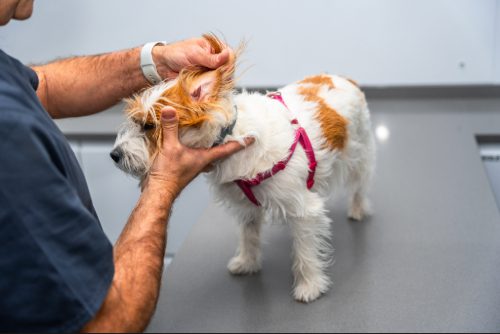
What It Means When Your Dog’s Ear Is Swollen
A dog’s ear swollen symptom usually indicates inflammation in the ear flap, the ear canal, or both. Swelling develops when fluid accumulates or the tissues react to irritation or trauma. Once swelling begins, dogs often shake their heads, scratch at their ears, or act restless because the sensation feels uncomfortable. Any level of swelling should be taken seriously, since the underlying cause can progress quickly without proper care. Midtown Veterinary Practice works with pet owners every day to identify the source of ear problems and support dogs through safe, appropriate treatments.
Signs That Point to Ear Swelling
Recognizing the symptoms that accompany a dog’s ear being swollen concern helps you understand the severity of the problem. Many pet owners first notice physical changes such as redness, puffiness, or a visibly enlarged ear flap. Dogs may tilt their head, rub their ear against furniture, or whine when the area is touched. Some dogs develop a noticeable odor, which often indicates inflammation in the ear canal. Discharge ranging from light yellow to dark brown may also appear. These observations matter because they provide clues about the cause behind the swelling.
Ear Hematomas: A Common Cause of a Dog’s Swollen Ear
One of the most frequent reasons for a dog’s ear swollen symptom is an ear hematoma. A hematoma forms when small blood vessels inside the ear flap rupture, leading to a pocket of fluid that causes the ear to balloon in size. This condition makes the ear feel thick and squishy, and dogs usually shake their heads even more as the swelling worsens. Hematomas can appear suddenly, often after repeated scratching or after an ear infection begins to irritate the ear.
Why Ear Hematomas Develop
An ear hematoma often traces back to an underlying issue. Many dogs shake their heads to relieve discomfort from allergies, infections, or insect bites. When this movement becomes frequent or forceful, the delicate blood vessels inside the ear can break. The resulting pocket of fluid builds pressure, making the swelling expand. The ear may droop more than usual or fold in a way that looks unfamiliar. If you notice signs of a hematoma, Midtown Veterinary Practice can assess your dog and help determine the next steps.
Ear Infections and How They Cause Ear Swelling
Ear infections are another significant contributor to a dog’s ear swollen symptom. Bacteria, yeast, or trapped moisture often fuel inflammation inside the ear canal. Dogs with ear infections scratch at their ears constantly, leading to irritation and swelling along the ear flap and canal. Ear infections can affect dogs of all breeds, but those with floppy ears, like spaniels or retrievers, tend to experience them more often. Even dogs who spend time outdoors, swim frequently, or have seasonal allergies can develop recurring ear issues.
Symptoms That Point to an Ear Infection
Ear infections usually create a combination of symptoms that accompany swelling. You may notice a strong odor, dark discharge, or debris resembling coffee grounds. Dogs often cry when their ear is touched because the ear canal becomes sensitive. In some cases, the side of the face near the ear swells as well. These symptoms can escalate quickly, which is why paying close attention to even mild swelling helps you act promptly. If your dog shows signs of an infection, the team at Midtown Veterinary Practice can evaluate their ears and perform the appropriate diagnostic tests.
Allergies and Their Role in a Dog’s Ear Swollen Symptom
Allergies play a major role in chronic ear irritation. When a dog reacts to food proteins, pollen, dust, or mites, inflammation builds throughout the skin and ear canal. Dogs with allergies often experience repeat ear issues because the inside of the ear becomes an active site of irritation. Over time, this constant inflammation contributes to a dog’s ear swollen appearance and ongoing discomfort. Pet owners may notice that swelling flares seasonally or appears after certain foods are introduced.
Identifying Allergy-Related Ear Problems
Dogs with allergy-driven ear problems usually show patterns, and recognizing them can be helpful. They might lick their paws, rub their face, or develop itchy skin along with ear swelling. Ear discharge may appear waxy, and the cycle of inflammation can repeat throughout the year. Some dogs even develop thickened ear skin from repeated scratching. Midtown Veterinary Practice can help pinpoint potential allergens and create a plan to support your dog’s comfort long-term.
Insect Bites, Stings, and Other External Causes of Ear Swelling
Sometimes the cause of a dog’s ear swollen condition is right on the surface. Insects, ticks, stinging pests, or even small cuts can create localized swelling that makes the ear puff up quickly. Dogs who spend time outdoors often encounter these irritants while playing in grass or wooded areas. A bite or sting can produce redness, tenderness, and warmth as the body reacts to the irritation. While these reactions can vary in severity, they always deserve attention since swelling can spread or become more uncomfortable.
How External Irritation Appears
External irritation tends to show up as a distinct raised area or a warm, puffy section along the ear flap. Dogs often shake their head or paw at the ear because the sensation feels itchy. Sometimes the hair around the irritated area appears damp or matted. These symptoms can overlap with other ear issues, which is why a professional exam helps clarify the cause. The Midtown Veterinary Practice team can determine whether the swelling stems from an external source or another underlying condition.
Common Questions Around Swollen Ears in Dogs
What should I do first if my dog’s ear is swollen?
A swollen ear means something is irritating the ear flap or ear canal. Contact your veterinarian so they can examine the area, identify the cause, and guide you on appropriate next steps. Call Midtown Veterinary Practice at (256) 883-4148 to schedule a visit.
Can a swollen dog ear go away on its own?
Swelling rarely resolves without identifying the cause. The problem can return or worsen if the underlying issue persists.
Is a swollen dog ear painful for my dog?
Swelling often creates discomfort, especially if a hematoma or infection is involved. Dogs may act restless, shake their heads, or resist touch near the ear.
Why does my dog keep shaking their head when their ear is swollen?
Head shaking usually signals discomfort or irritation. This motion may worsen swelling, especially if a hematoma is present.
Can allergies cause my dog’s ear to swell?
Yes. Allergies frequently contribute to inflammation that leads to repeat ear problems and swelling.
When Should You Contact Midtown Veterinary Practice?
A dog’s ear swollen symptom can develop quickly, and pet owners benefit from early evaluation to address the source of the irritation. Whether the swelling comes from a hematoma, infection, allergy, or external irritant, timely care helps your dog stay comfortable and prevents symptoms from progressing. Midtown Veterinary Practice in Huntsville welcomes pets experiencing any ear concerns and will walk you through each step of the diagnostic process. If your dog’s ear looks swollen or uncomfortable, call (256) 883-4148 or request an appointment online today.